

Manual handling training helps staff lift, carry, push, and pull loads more safely. It also helps staff understand when a task may create a risk of injury and what they can do to reduce that risk. Many jobs involve manual handling. The risk depends on the task, the load, the working environment and the person carrying out the work. Cork Safety Services provides a practical manual handling course Cork for businesses and employees. Manual handling training course focuses on safe manual handling, risk awareness & techniques that staff can apply during everyday work. The training combines clear instruction with practical learning. Participants learn how to assess a task before starting, use safer lifting techniques, and recognise when they should change the task or ask for assistance.
Manual handling includes activities that involve moving or supporting a load using bodily force. This can include lifting, lowering, carrying, pushing, pulling or moving an item. Manual handling tasks take place in many workplaces. Warehouses, construction sites, retail businesses, hotels, factories, healthcare settings and offices can all involve some form of handling. Not every task creates the same level of risk. Employers should identify manual handling activities, assess the risks involved and take suitable steps to control those risks. Training is one part of this process.

Manual handling training course should give employees the knowledge and practical skills they need to work more safely. Participants learn about the risks linked to manual handling and how poor movement or unsuitable working methods can lead to injury. The course can cover:
Participants also learn that safe manual handling is not simply about using one lifting technique. The safest option may sometimes be to change the task, use equipment or ask another person for help.
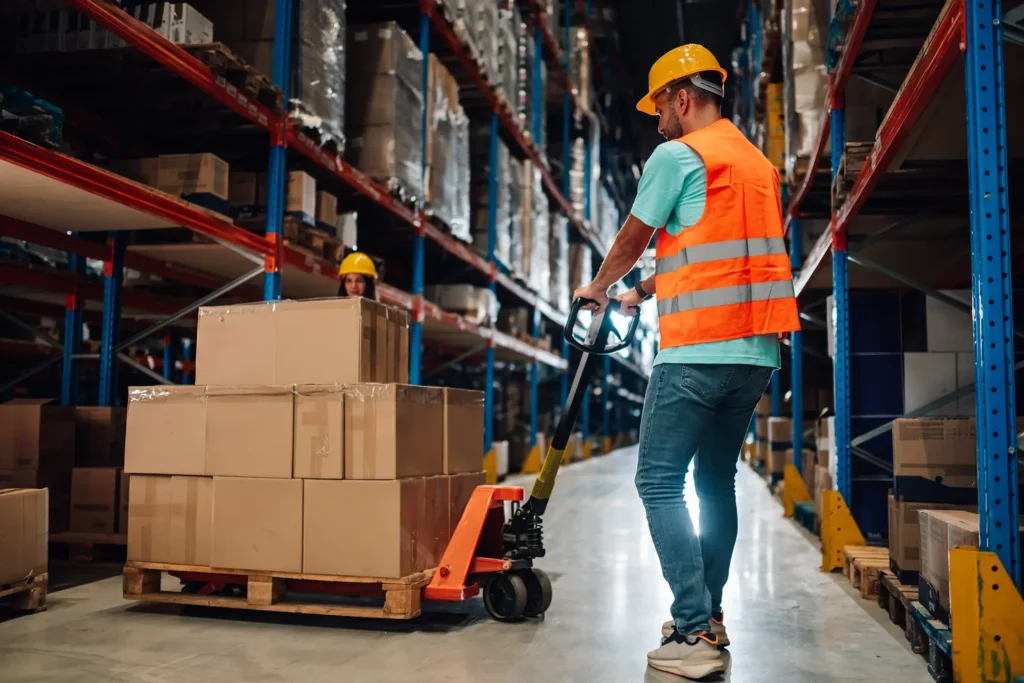
Good manual handling starts before anyone lifts a load.
Staff should consider the task, the load, the environment and their own ability to carry out the work safely.
For example, a load may be difficult to handle because of its weight, size or shape.
The route may also create problems. Steps, uneven floors, narrow spaces or obstacles can make a task harder and increase risk.
A simple risk assessment can help identify these problems before work begins.
Employees should ask whether the task needs to be completed manually and whether suitable equipment could make it safer.
Training helps staff develop this way of thinking rather than treating every lifting task in the same way.
There is no single method for handling loads that is effective for every situation or workplace. Before beginning a task, workers should plan the process. They should examine the load, ensure that the path is clear, and determine whether the object can be moved safely. When lifting items manually, workers should maintain control over the load and avoid sudden or awkward movements. Actions such as twisting the body, reaching too far, or lifting objects while in an unstable position increase physical strain. This course also covers carrying, pushing, and pulling, as the scope of "manual handling" extends well beyond simply lifting a box from the floor. Through practical training, participants have the opportunity to practice safe lifting and handling techniques and receive necessary guidance from an instructor.
Manual handling—the moving of objects through physical effort—is part of the broader responsibility for health and safety in the workplace. The Safety, Health and Welfare at Work framework places importance on assessing workplace risks and putting suitable controls in place. Training supports this process, but it does not replace a risk assessment or a safe system of work. Employers should first look at the manual handling tasks taking place in their organisation. After that, they can decide what kind of control measures, equipment, and training are required. The attached research also notes that appropriate workplace manual handling training should be delivered by a qualified manual handling instructor and should reflect recognised training guidance.

Manual handling training may be suitable for employees whose work involves moving loads where there is a risk of injury. This can include employees working in:
Some office-based roles may involve physical exertion or tasks such as moving objects. When making decisions regarding employee training, employers should consider the actual nature of the work performed; it is incorrect to assume that the level of risk is the same for every position.
Manual handling and people handling are different types of training. Manual handling training typically relates to the carrying and moving of objects or loads. 'People handling' (moving or assisting people) applies when staff members are required to move, hold, or assist another person. This is especially relevant in healthcare and care settings. The source material distinguishes between employees who handle objects and those who also handle people, with different training requirements for each type of activity. Employers should select training that is aligned with the work performed by their employees.

Online manual handling training can be effective for theoretical learning. Employees may be able to study topics such as risk assessment, safe lifting principles, and injury prevention online.
However, practical skills are also important.
The attached HSA material says workplace-level manual handling training should follow recognised guidance and be delivered by an appropriately qualified manual handling instructor.
Businesses should therefore check what an online course actually includes before deciding whether it meets their needs.
Practical training allows an instructor to observe how participants perform physically demanding tasks, enabling them to provide direct feedback or guidance.
Training should be reviewed regularly. The Health and Safety Authority guidance included in the research states that there is no fixed legal refresher period, but it recommends refresher training at intervals of no more than three years. Training should also be reviewed when work practices or handling equipment change. Employers may need to provide refresher training sooner if a risk assessment identifies a need. Changes to equipment, working methods or the type of loads being handled can also affect training requirements.
Practical training helps employees connect the theory with their actual work. Staff can learn how to plan a task, assess a load and decide on the safest way to move it. They can also practise lifting techniques and receive feedback from the instructor. This makes the training more useful than simply memorising a set of rules. The aim is to give employees the confidence to recognise risk and make safer decisions before starting a manual handling task.
Cork Safety Services provides practical manual handling training for individuals, teams and businesses in Cork. The course helps participants understand manual handling risks, improve lifting techniques and learn how to approach everyday tasks more safely. Training can also help employers support their wider health and safety responsibilities by giving staff practical knowledge that relates to their work. Contact Cork Safety Services to discuss your manual handling training requirements and arrange a suitable training course.
Alongside Manual Handling Training, Cork Safety Services offers other workplace safety courses to help businesses prepare employees for safer working environments. Our Safe Pass training supports workers who need safety awareness training for construction work. We also provide Fire Safety Extinguisher Training to help participants understand the safe use of fire extinguishers and Fire Warden Training to help designated staff understand their fire safety responsibilities. These courses complement manual handling training and support a stronger workplace safety culture.
Manual handling training teaches employees how to assess handling tasks, recognise risks and use safer techniques when lifting, carrying, pushing or pulling loads.
Practical training allows participants to demonstrate lifting and handling techniques and receive feedback from the instructor.
Training needs should reflect the employee's work and the risks identified through the workplace risk assessment.
No. Manual handling generally refers to moving objects or loads. People handling involves moving or assisting people and requires training suited to those tasks.
Theory can be delivered online, but businesses should check whether the course also meets the practical requirements relevant to their workplace.
The HSA guidance included in the research recommends refresher training at intervals of no more than three years, or sooner when work practices or equipment change.